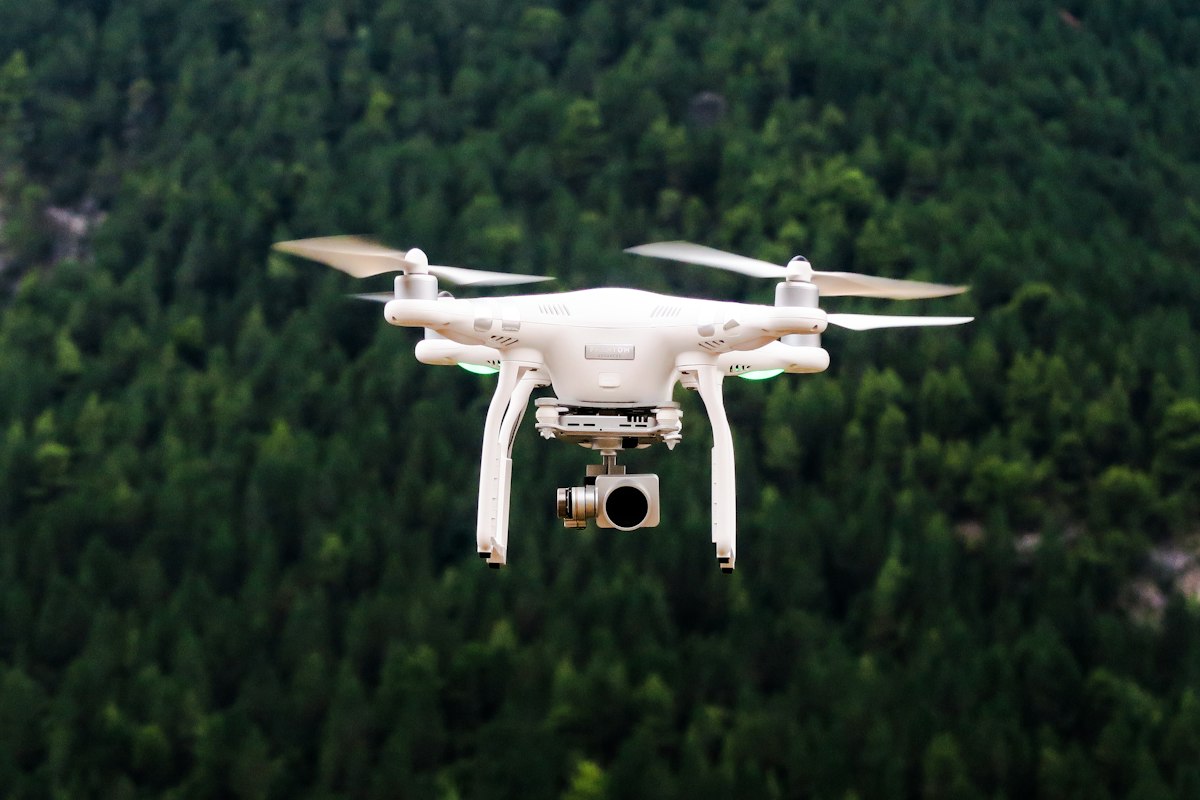
A fifth-semester computer engineering student from Himachal Pradesh has secured Rs 3.5 crore from the Union Ministry of Defence to build a surveillance drone for high-altitude border areas — and he started with a prototype that cost him Rs 87,000.
Sarvesh Sharma, a student at Government Polytechnic, Hamirpur (Baru), will develop the Rudra Edge T-1 (Spectra) under the Defence Innovation Organisation and the Innovations for Defence Excellence (iDEX) initiative's individual innovation framework. The project targets surveillance in mountainous border areas where terrain and altitude make monitoring exceptionally hard.
The journey began at the Open Cardboard Drone Competition organised by IIT Jodhpur and the Konark Corps, where Sharma's team finished fourth among ~50 teams and won Rs 10 lakh. Conversations there about the Army's high-altitude surveillance challenges pushed him to design a drone engineered to reduce radar detectability and resist electronic jamming — capabilities that will be proven through development and testing. He then spent Rs 87,000 on the prototype and a startup-style proposal — and the Ministry approved it.
The project is now linked with an incubation centre at IIT Roorkee, giving Sharma access to labs and technical mentorship, with a 20-month development target. The son of a daily-wage labourer from Bahanvi village, Sharma's story has drawn national attention as a showcase of how iDEX's individual-innovation pathway can pull grassroots talent into defence tech.
Why it matters for founders
Sharma's arc — competition → Rs 87,000 prototype → Rs 3.5 crore grant → IIT Roorkee incubation — is a working blueprint for deeptech founders without pedigrees or wallets. iDEX's individual-innovation framework is real capital for real prototypes. If you're building defence or frontier tech, the lesson is to ship the cheapest credible proof first; the system rewards builders who show, not just pitch.