At 23, Anjali Sardana has built Pronto into one of India's fastest-rising instant home-services startups, valued at around Rs 2,000 crore ($202 million, per Tracxn). The Delhi-born, Georgetown biology graduate started developing the idea in college, studying India's informal labour ecosystem, and launched Pronto on 1 April 2025 from a single hub in Gurugram after raising a $2 million seed round from Bain Capital.
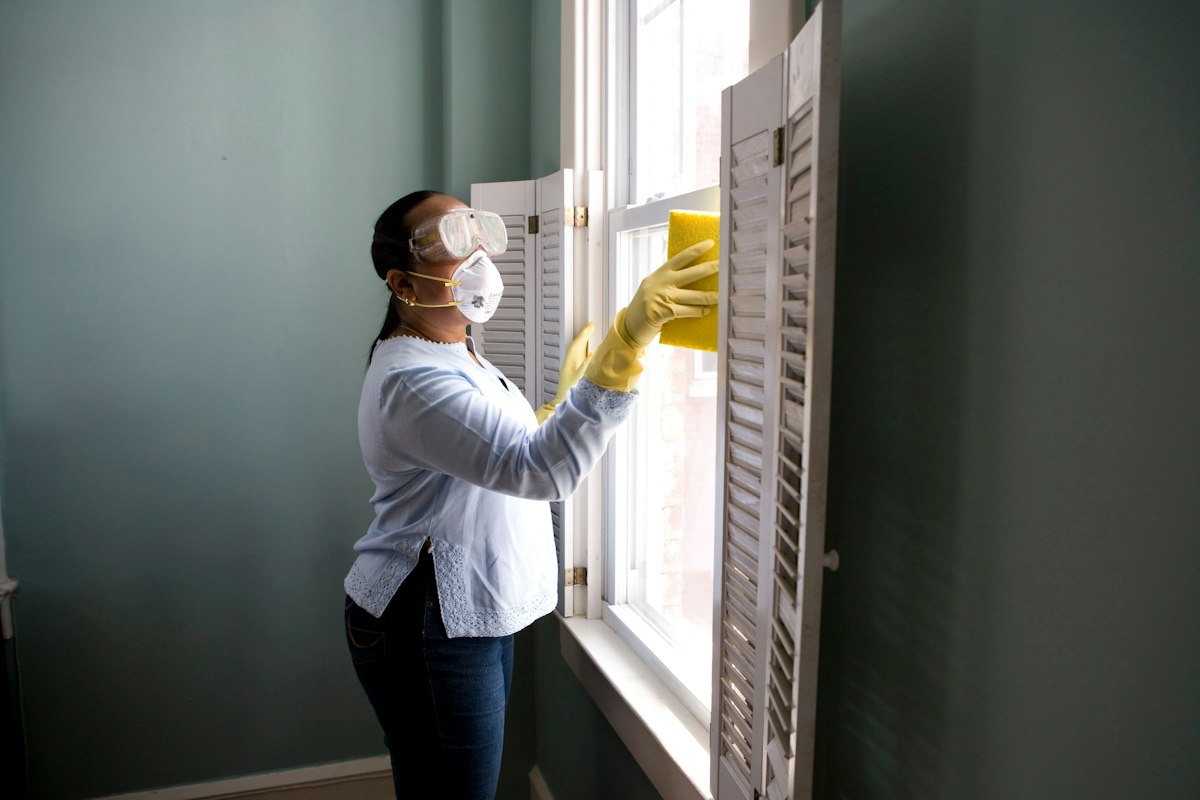
Pronto's innovation is operational: a shift-based, task-priced model where trained, background-verified professionals are assigned structured shifts for services — cleaning, mopping, laundry, ironing, utensil washing and basic meal prep — delivered through neighbourhood micro-hubs, many in as little as 10 minutes. The model gives workers guaranteed shifts and higher, more predictable earnings while customers get on-demand help, and a large share of Pronto's workforce are women building structured careers in a sector that has traditionally been informal.
The scale-up has been steep: from about 1,000 daily bookings at launch to around 18,000 a day now, with order volumes crossing 350,000 in February 2026. Investors moved fast. A $11 million Series A co-led by General Catalyst and Glade Brook Capital (with Bain Capital Ventures) was followed by a $25 million Series B led by Epiq Capital in March 2026 at a $100 million post-money valuation, and a further $20 million extension from Lachy Groom in May — taking the total round to $45 million and doubling the valuation to $200 million. The company, originally incorporated in Delaware, has since flipped its domicile back to India.
Pronto now operates in Gurugram, Delhi, Mumbai and Bengaluru (with Hyderabad and Chennai also served), and plans to enter more metros over the next 12–18 months — racing Snabbit and Urban Company's InstaHelp for the same households. The fresh capital is earmarked for training 10,000 more professionals, tighter quality checks and real-time operations technology.
Why it matters for founders
Pronto won by formalising an informal market — turning household chores into shift work with predictable earnings. The deepest startup opportunities in India still hide in unorganised sectors: find a market everyone sees but nobody structures, and structure it.