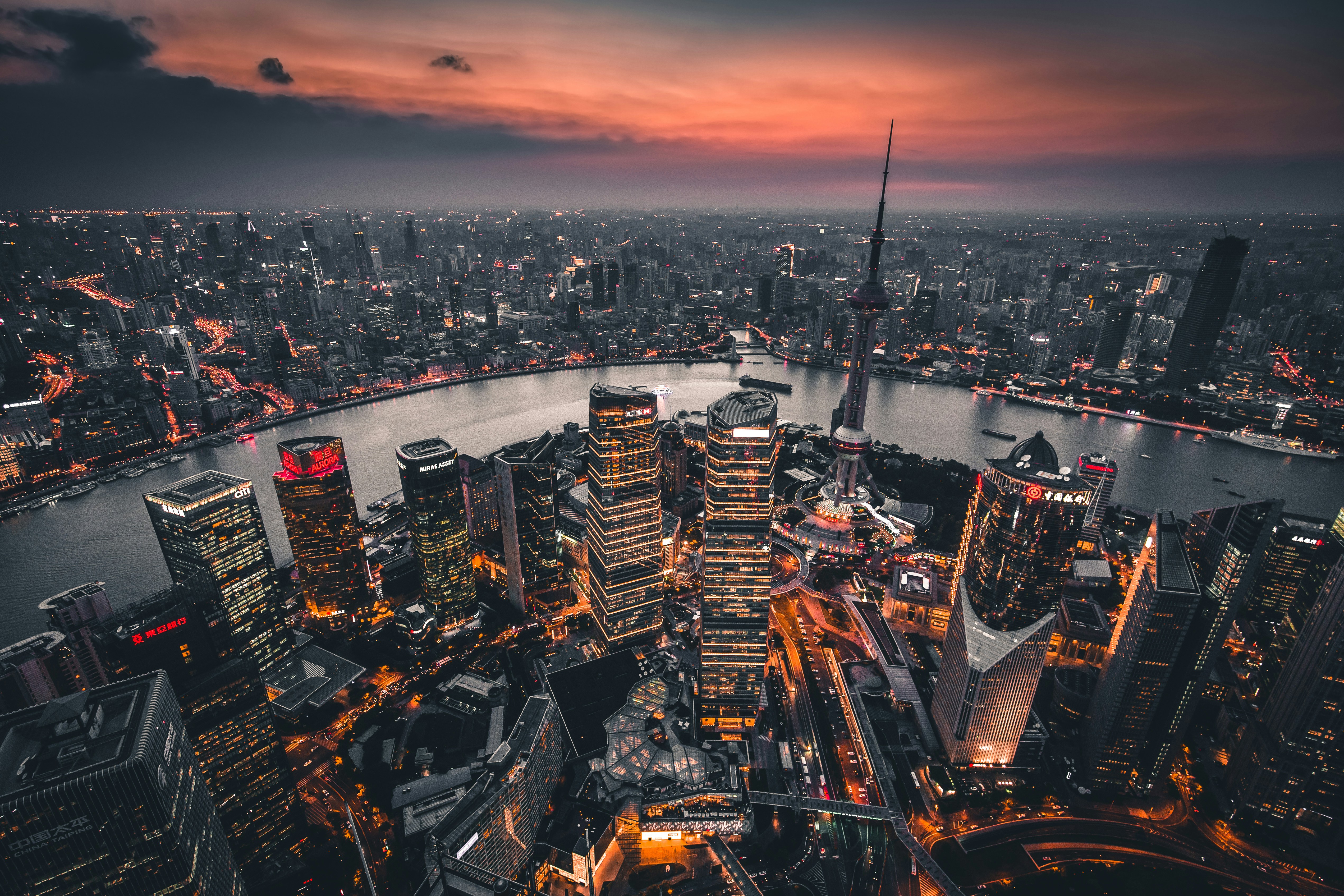
The New Development Bank (NDB), often called the BRICS bank, was created by developing countries for developing countries — and for founders in its member states, New Development Bank funding flows mainly through infrastructure and sustainable-development projects rather than venture rounds. Established in 2015 and headquartered in Shanghai, it mobilises resources for infrastructure and sustainable development in BRICS and other emerging economies. Learning how to get funding from the New Development Bank means understanding a sovereign-led model with a growing private-sector window.
The NDB mandate and thesis
The New Development Bank was established by Brazil, Russia, India, China and South Africa, and its president is Dilma Rousseff. Its founding capital structure was deliberately equal among the five founders, so no single country dominates its governance, and BRICS countries must always hold at least 55% of voting power. Membership has since grown beyond the founders to include Bangladesh, Egypt, the United Arab Emirates, Uruguay, Algeria and Uzbekistan, among others. Its General Strategy for 2022–2026 aims to make it a leading provider of solutions for infrastructure and sustainable development in emerging markets and developing countries, aligned with the UN 2030 Agenda and the Paris Agreement.
New Development Bank funding: sectors, stages and scale
The NDB focuses on clean energy and energy efficiency, transport infrastructure, water and sanitation, digital infrastructure, environmental protection and social infrastructure. Its initial authorised capital was $100 billion. By June 2026 it had approved 139 projects totalling about $42.9 billion, though other tallies from different dates put the total near $39 billion across around 120 projects — treat the precise total as date-dependent and the direction as clear: tens of billions deployed. Those projects are credited with adding 2,400 megawatts of clean-energy capacity, cutting 14.7 million tonnes of carbon dioxide a year, and building 40,400 kilometres of roads, 35,000 housing units and 43 schools. It supports public and private projects through loans, guarantees, equity participation and other instruments, plus technical assistance.
Portfolio founders should know
Its best-known projects show its scale: a $500 million loan for India's Delhi–Ghaziabad–Meerut Regional Rapid Transit System, an 82-kilometre corridor easing congestion and cutting emissions, and about $457.7 million for Qingdao Metro Line 6 in China. In India alone, around 32 initiatives worth $9.5 billion have been approved since 2016, spanning rapid transit, affordable housing and clean energy. The bank is also pushing local-currency lending — its share of projects financed in local currencies stood at 30% and is targeted to exceed 45% by 2031 — which matters for founders worried about exchange-rate risk. It regularly issues green and social bonds, including a $1.25 billion green bond, to fund this pipeline.
How to apply for funding
There is no public founder pitch form for NDB finance. Its projects are developed with member governments and approved through the bank's board, so the practical route for a company is through the relevant government ministry or implementing agency in a member country, or as a contractor, supplier or private co-financier on an approved project. Private-sector sponsors with a large infrastructure or sustainable-development project should engage via their government's NDB governor's office or the bank's regional offices, with a fully scoped, bankable proposal. Early-stage startups will find no direct window here — the bank's value for them is indirect, through the infrastructure its projects create.
Why it matters for founders
The NDB is reshaping who finances the Global South's infrastructure, with equal-founder governance and a growing local-currency toolkit. Infrastructure and climate founders in member countries should watch its project pipeline and government channels — that is where its capital actually moves.