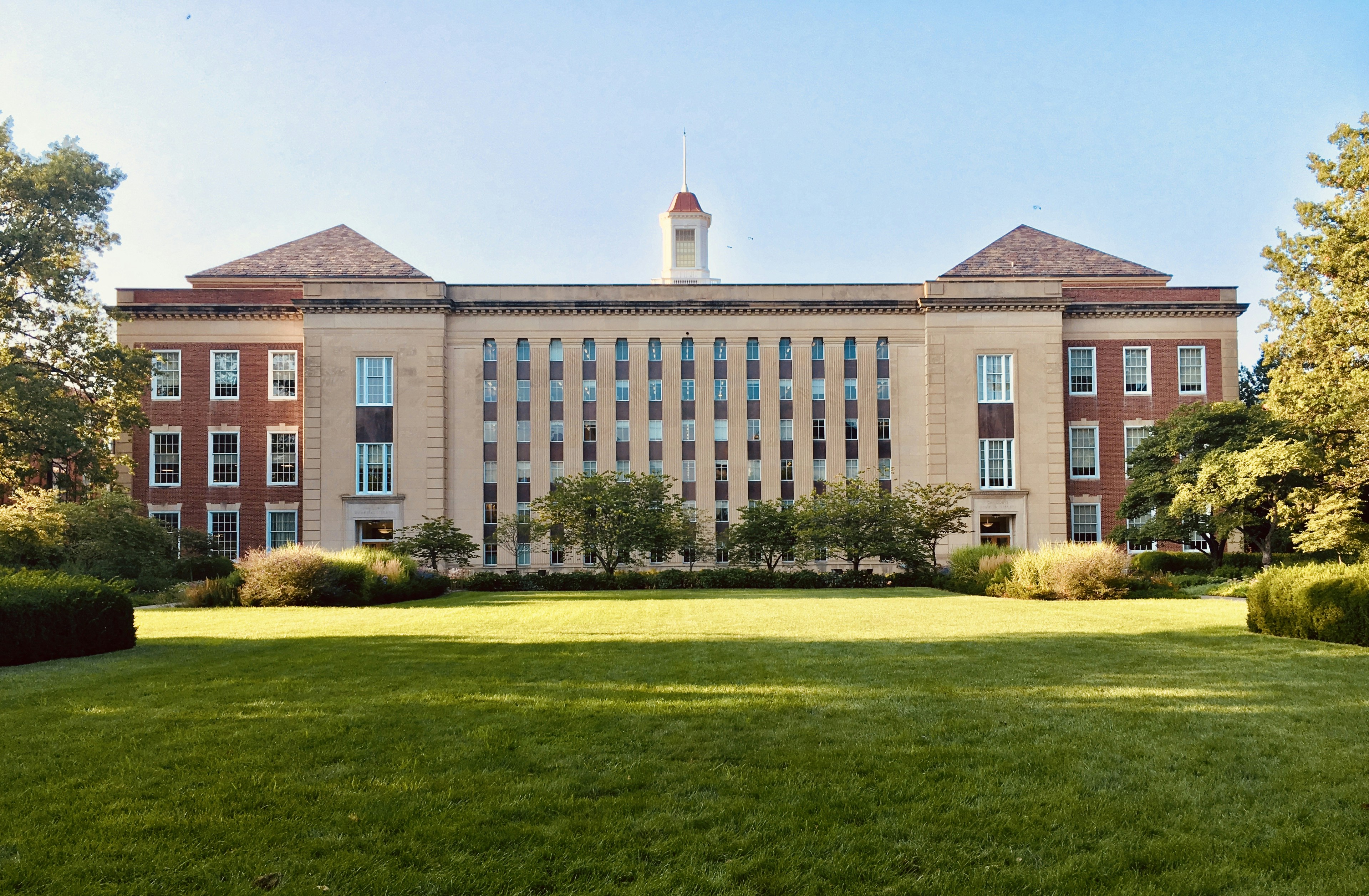
The IIT BHU Incubation Centre — formally the Malviya Centre for Innovation, Incubation and Entrepreneurship (MCIIE), now operating through its Ideation Innovation and Incubation (I-3) Foundation — is IIT (BHU) Varanasi's engine for turning campus research into companies, spanning technology startups, agri-enterprises and student founders.
The thesis: institute research into enterprises
MCIIE's Technology Business Incubator was sanctioned by the National Science and Technology Entrepreneurship Development Board (NSTEDB), Department of Science and Technology, Government of India, in 2008-09 and became fully operational in 2010. It has also been recognised by the Ministry of MSME and supported under the Uttar Pradesh IT and Startup Policy. The model: furnished office space, laboratories, training and mentoring inside a top engineering institute, plus investor, industry and government links. Note: BHU separately hosts AIC-IM-BHU and BioNEST-BHU; this profile covers the IIT (BHU) centre.
Fund size and terms
MCIIE does not publish a single fund corpus, so its overall fund size is not publicly disclosed. What is public is its deal structure: the I-3 Foundation's incubation policy provides seed loans and grant-in-aid released against milestones approved by the incubator committee, with the incubator generally taking 3% equity, subject to the committee's decision and buy-back options. Incubation runs for one and a half years, extendable up to three years based on project complexity and due diligence. Monthly charges are Rs 3,000–5,000 for early-stage and Rs 5,000–8,000 for early-traction startups, depending on virtual or physical incubation, plus committee-decided utility charges.
Sectors, stages and programmes
MCIIE is multi-sector, with particular strength in data analytics and predictive technologies, IoT, cleantech and agri-tech. Its Startup Incubation Programme offers office space, technical and legal support, market access, mentorship and funding assistance of up to Rs 20 lakh to early-stage entrepreneurs; the most recent widely reported call for its data analytics and predictive technologies track closed on 20 August 2025, so founders should check for the current call rather than assume that window is open. MCIIE also runs the Mahamana Agri Business Incubator (MABI) under the RKVY-RAFTAAR scheme, training farmers and agri-startups — an early MABI call drew 250 ideas, with 20 selected for pre-seed training and 10 for seed-stage training. An IoT Centre of Excellence on campus, built with Aeris, adds platform access and training.
Partners and portfolio
MCIIE's partners span government — DST, the Ministry of MSME and the Uttar Pradesh startup ecosystem — and industry, including Aeris for IoT. Among its known incubatees, water-filtration startup Aquvio, founded by IIT (BHU) civil engineering graduates Naveen Kumar and Rohit Mittal, raised seed funding from the incubator and was shortlisted among the top 20 semi-finalists in the Global Cleantech Innovation Programme India chapter, while agri-startups such as Kakoon Organic Agrofood and Vedictree Agro Dairy Products were trained and supported through MCIIE's farmer-startup work.
How to apply for funding
Apply through the I-3 Foundation's official site, i3f-iitbhu.org, which publishes the incubation policy and programme details, or through MCIIE's site, mciie.org. Applicants should be nationally incorporated businesses with commercially viable products or services, ready to engage weekly with the incubator team and meet approved milestones. Calls open per programme, so check the current call on the foundation's site and confirm the funding amount and terms before applying.
Why it matters for founders
MCIIE and the I-3 Foundation offer patient, institute-backed incubation: labs, weekly mentoring, milestone-linked seed support and a 3% equity norm, inside a campus with deep engineering talent. For cleantech, IoT, data or agri-tech founders, it is a credible first institutional home — just verify which call is open before applying.