IIT Gandhinagar professor-founded startup Cellegant Energy Systems has raised Rs 2.61 crore from investors including GVFL Prarambh Fund Trust, CoCreate Aarambh and IIEC, IIT Gandhinagar's incubator. The round adds another data point to startup funding in India for indigenous deep tech, where university-linked teams are turning lab research into defence- and industry-ready hardware.
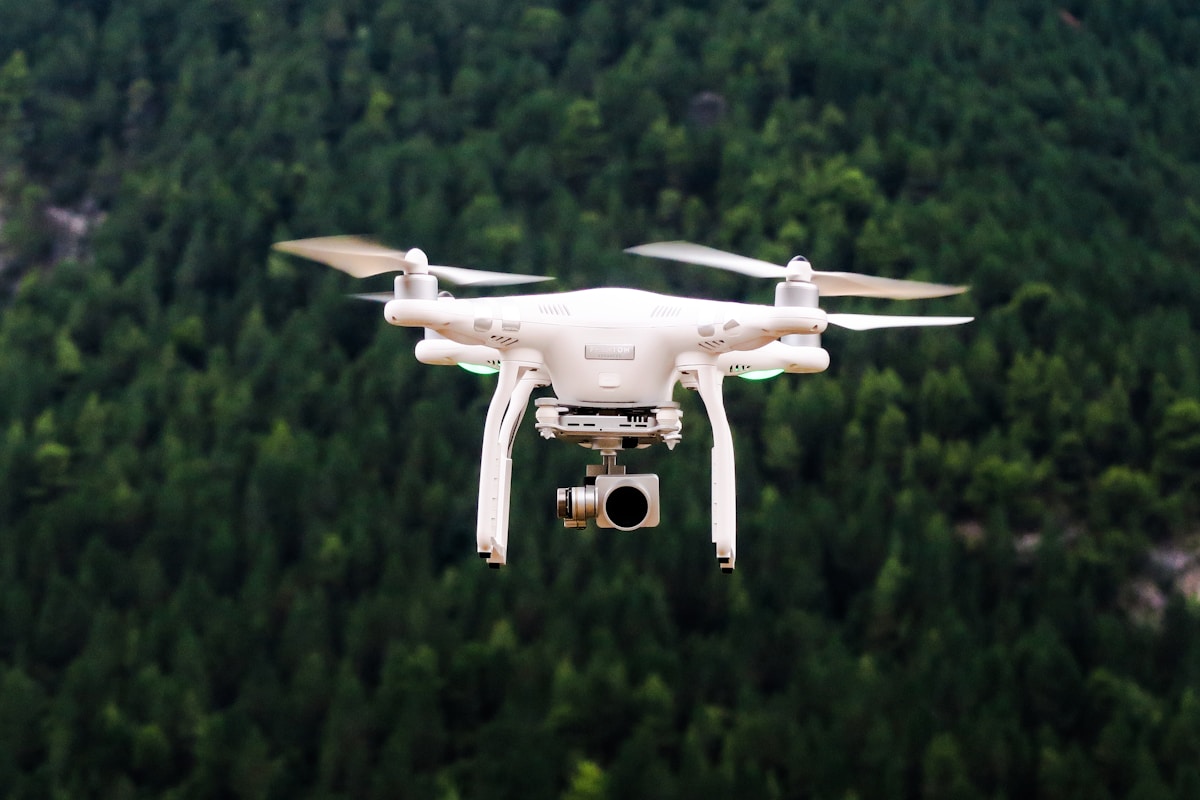
Founded by Dr Atul Bhargav, Cellegant is developing indigenous hybrid hydrogen fuel-cell electric drivetrain systems designed to extend the endurance of drones and unmanned aerial vehicles. Its immediate priority is to demonstrate a 35-kg hydrogen-powered drone, and it aims to advance the programme from technology readiness level three to six over the next six to 12 months.
The funding will support technology development, intellectual property protection and team expansion. Beyond drones, Cellegant is also developing energy solutions for autonomous robots, marine vehicles and other applications, where long endurance and reliable power matter more than raw speed. Hydrogen fuel cells fit that brief: they can multiply a drone's range compared with batteries alone, which is why defence and surveillance buyers watch this space closely.
The round is modest, and that is normal for this stage of hardware. What matters is the milestone it funds — a working 35-kg demonstrator and a step-change in readiness level. If Cellegant hits those marks, the next round will be argued on demonstrated performance, not on slides about hydrogen's potential.
Why it matters for founders
Hardware founders should note the funding logic here: a small, milestone-tied round from an incubator-linked fund, aimed at one demonstrable leap. Raise for the demonstrator, prove it, and let the next round price the proof.